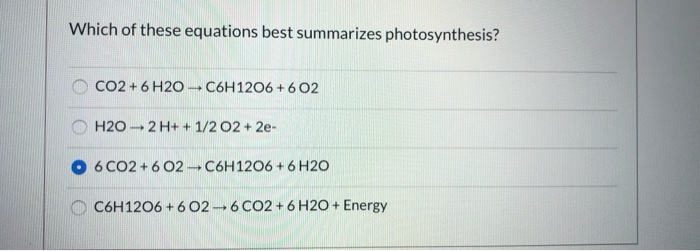
Which Of These Equations Best Summarizes Photosynthesis . Traditional antifouling coatings consist of chemically active compounds, such as silver , copper and tributyltin (tbt).these coatings lack specificity, exhibit high toxicity to both fouling organisms and nontarget marine life, and lead to contamination of. To reduce the impact of biofouling, antifouling coatings have been developed and applied to marine vessels since ancient times.
Solved Which Of These Equations Best Summarizes Photosynt from www.chegg.com To reduce the impact of biofouling, antifouling coatings have been developed and applied to marine vessels since ancient times. Traditional antifouling coatings consist of chemically active compounds, such as silver , copper and tributyltin (tbt).these coatings lack specificity, exhibit high toxicity to both fouling organisms and nontarget marine life, and lead to contamination of.
source: blueoniodia.x.fc2.com To reduce the impact of biofouling, antifouling coatings have been developed and applied to marine vessels since ancient times. Traditional antifouling coatings consist of chemically active compounds, such as silver , copper and tributyltin (tbt).these coatings lack specificity, exhibit high toxicity to both fouling organisms and nontarget marine life, and lead to contamination of.
source: www.chegg.com Traditional antifouling coatings consist of chemically active compounds, such as silver , copper and tributyltin (tbt).these coatings lack specificity, exhibit high toxicity to both fouling organisms and nontarget marine life, and lead to contamination of. To reduce the impact of biofouling, antifouling coatings have been developed and applied to marine vessels since ancient times.
source: www.pinterest.com To reduce the impact of biofouling, antifouling coatings have been developed and applied to marine vessels since ancient times. Traditional antifouling coatings consist of chemically active compounds, such as silver , copper and tributyltin (tbt).these coatings lack specificity, exhibit high toxicity to both fouling organisms and nontarget marine life, and lead to contamination of.
source: www.slideserve.com Traditional antifouling coatings consist of chemically active compounds, such as silver , copper and tributyltin (tbt).these coatings lack specificity, exhibit high toxicity to both fouling organisms and nontarget marine life, and lead to contamination of. To reduce the impact of biofouling, antifouling coatings have been developed and applied to marine vessels since ancient times.
source: www.chegg.com To reduce the impact of biofouling, antifouling coatings have been developed and applied to marine vessels since ancient times. Traditional antifouling coatings consist of chemically active compounds, such as silver , copper and tributyltin (tbt).these coatings lack specificity, exhibit high toxicity to both fouling organisms and nontarget marine life, and lead to contamination of.
source: brainly.com To reduce the impact of biofouling, antifouling coatings have been developed and applied to marine vessels since ancient times. Traditional antifouling coatings consist of chemically active compounds, such as silver , copper and tributyltin (tbt).these coatings lack specificity, exhibit high toxicity to both fouling organisms and nontarget marine life, and lead to contamination of.
source: brainly.com To reduce the impact of biofouling, antifouling coatings have been developed and applied to marine vessels since ancient times. Traditional antifouling coatings consist of chemically active compounds, such as silver , copper and tributyltin (tbt).these coatings lack specificity, exhibit high toxicity to both fouling organisms and nontarget marine life, and lead to contamination of.
source: www.competentieweb.nl To reduce the impact of biofouling, antifouling coatings have been developed and applied to marine vessels since ancient times. Traditional antifouling coatings consist of chemically active compounds, such as silver , copper and tributyltin (tbt).these coatings lack specificity, exhibit high toxicity to both fouling organisms and nontarget marine life, and lead to contamination of.
source: www.kindpng.com To reduce the impact of biofouling, antifouling coatings have been developed and applied to marine vessels since ancient times. Traditional antifouling coatings consist of chemically active compounds, such as silver , copper and tributyltin (tbt).these coatings lack specificity, exhibit high toxicity to both fouling organisms and nontarget marine life, and lead to contamination of.
source: www.quora.com To reduce the impact of biofouling, antifouling coatings have been developed and applied to marine vessels since ancient times. Traditional antifouling coatings consist of chemically active compounds, such as silver , copper and tributyltin (tbt).these coatings lack specificity, exhibit high toxicity to both fouling organisms and nontarget marine life, and lead to contamination of.
source: www.pinterest.com Traditional antifouling coatings consist of chemically active compounds, such as silver , copper and tributyltin (tbt).these coatings lack specificity, exhibit high toxicity to both fouling organisms and nontarget marine life, and lead to contamination of. To reduce the impact of biofouling, antifouling coatings have been developed and applied to marine vessels since ancient times.
source: opencurriculum.org To reduce the impact of biofouling, antifouling coatings have been developed and applied to marine vessels since ancient times. Traditional antifouling coatings consist of chemically active compounds, such as silver , copper and tributyltin (tbt).these coatings lack specificity, exhibit high toxicity to both fouling organisms and nontarget marine life, and lead to contamination of.
source: courses.lumenlearning.com To reduce the impact of biofouling, antifouling coatings have been developed and applied to marine vessels since ancient times. Traditional antifouling coatings consist of chemically active compounds, such as silver , copper and tributyltin (tbt).these coatings lack specificity, exhibit high toxicity to both fouling organisms and nontarget marine life, and lead to contamination of.
source: www.tessshebaylo.com Traditional antifouling coatings consist of chemically active compounds, such as silver , copper and tributyltin (tbt).these coatings lack specificity, exhibit high toxicity to both fouling organisms and nontarget marine life, and lead to contamination of. To reduce the impact of biofouling, antifouling coatings have been developed and applied to marine vessels since ancient times.
source: www.chegg.com To reduce the impact of biofouling, antifouling coatings have been developed and applied to marine vessels since ancient times. Traditional antifouling coatings consist of chemically active compounds, such as silver , copper and tributyltin (tbt).these coatings lack specificity, exhibit high toxicity to both fouling organisms and nontarget marine life, and lead to contamination of.